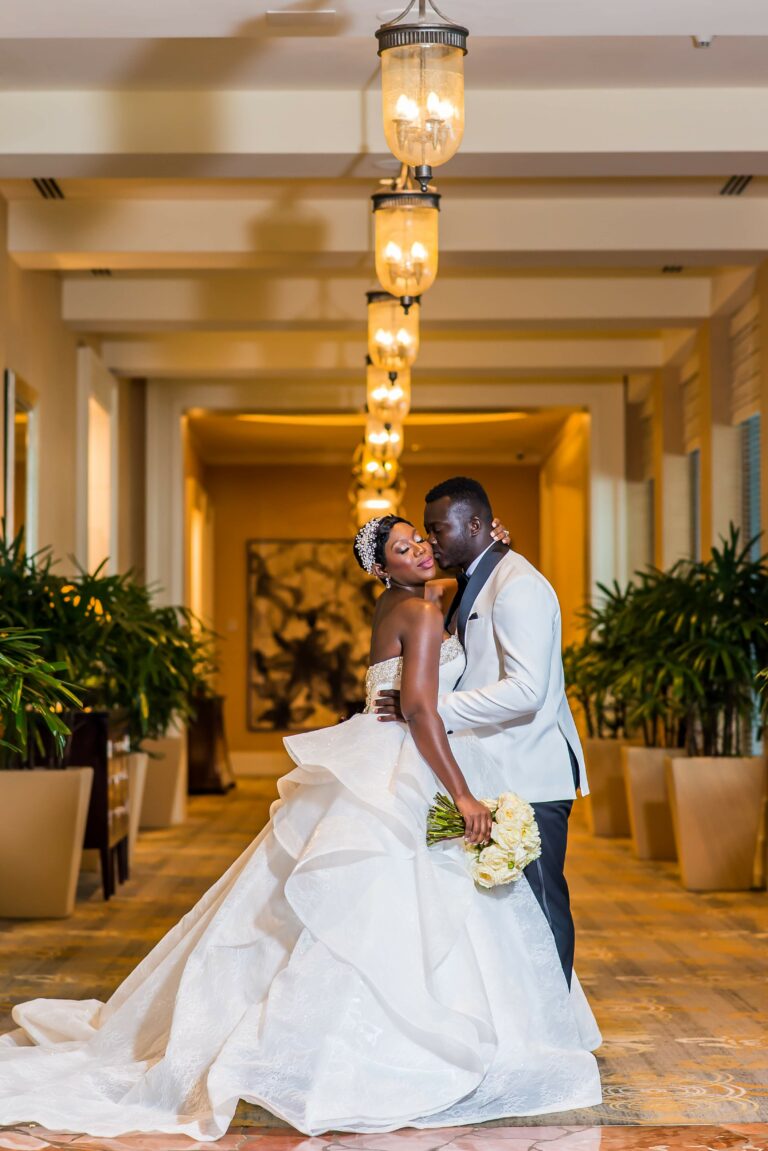
Choosing your wedding date is easily the most critical decision in your planning journey. Until that day on the calendar is officially locked down, you cannot secure venues, hire your creative vendor team, or send out save-the-dates.
With so many moving pieces, from seasonal weather shifts and venue availability to cultural traditions and VIP travel schedules, figuring out how to pick a wedding date can feel overwhelming. Having a clear, structured framework helps turn what feels like a chaotic puzzle into a confident decision.

1. Prioritize Venue and Key Vendor Availability
It is easy to fall in love with a specific calendar date, like a personal anniversary or a symmetrical set of numbers. However, clinging strictly to a single day before checking venue availability is a common planning hurdle.
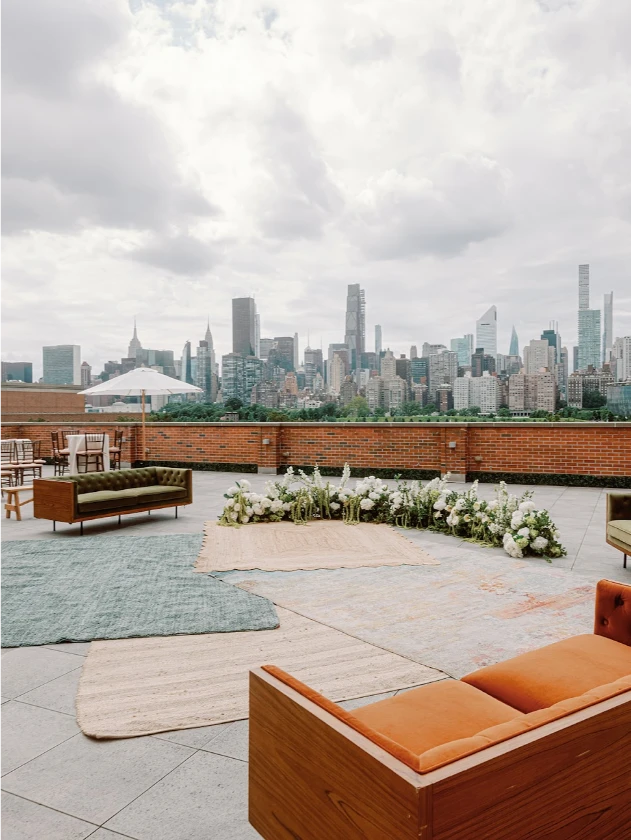
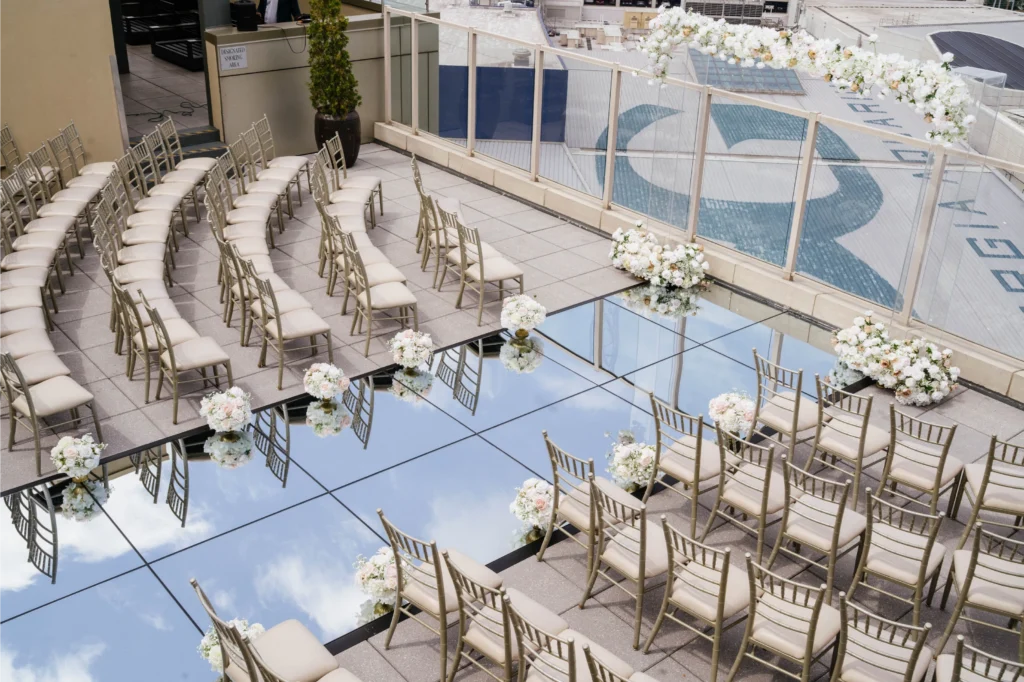
High demand spaces, especially open concept lofts and popular urban venues, often book 12 to 18 months in advance for prime weekends. Instead of locking yourself into a specific day, select a preferred month or a two- to three-week window. This flexibility allows your team to negotiate better options and secure a location that truly fits your vision without compromising on style.


2. Factor in Seasonality and Logistics
The time of year dictates the entire mood, aesthetic, and logistical flow of your celebration:
- Spring and Fall: Highly sought after for comfortable outdoor temperatures and beautiful color palettes, though peak demand means fast booking cycles and full vendor schedules.
- Summer: Offers long daylight hours and a vibrant atmosphere, but requires extra logistical planning around heat management, guest comfort, and holiday travel schedules.
- Winter: Creates an intimate, elevated feel. It also opens up room in full-service planning schedules for more custom, highly tailored design elements.
When working with a professional planner, seasonal transitions become much easier to navigate. Having an expert handle floor plan adjustments, lighting design, and weather contingency plans ensures the day feels effortless, no matter what the forecast brings.


3. Consult Your Core Inner Circle
While you do not need to poll your entire guest list, checking with your absolute must-have people is essential before signing contracts.
Define your core group early. This typically includes immediate family, honor attendants, and key cultural or religious officiants. Cross-reference your top date choices against major holiday weekends, regional sports events, or local city conventions that could cause sudden hotel price spikes and transportation delays for out-of-town guests.


4. Honor Cultural Heritage and Family Traditions
For couples incorporating cultural heritage into their celebration, date selection often carries deeper meaning. Traditional ceremonies, like a Yoruba Idana or an Igbo Igba Nkwu, require careful timeline coordination.
Balancing family expectations, traditional rites, and modern reception logistics takes delicate handling. Having an experienced coordinator who understands how to merge cultural protocols with a polished, modern event flow keeps both families aligned and stress-free from day one.


5. Align Your Date with Budget and Vision
Your chosen day of the week directly influences your overall event design and investment strategy. While Saturdays remain the traditional choice, Friday and Sunday celebrations continue to grow in popularity.
Choosing an off-peak day or season can free up room in your overall budget, allowing you to invest more deeply in luxury guest experiences, elevated decor, or full-scale event design.

Once you have a date in mind, the real magic begins. From intricate cultural traditions to flawless run-of-show logistics, our team is here to bring your exact vision to life without the stress. Contact us today to check our availability and begin planning your dream wedding.