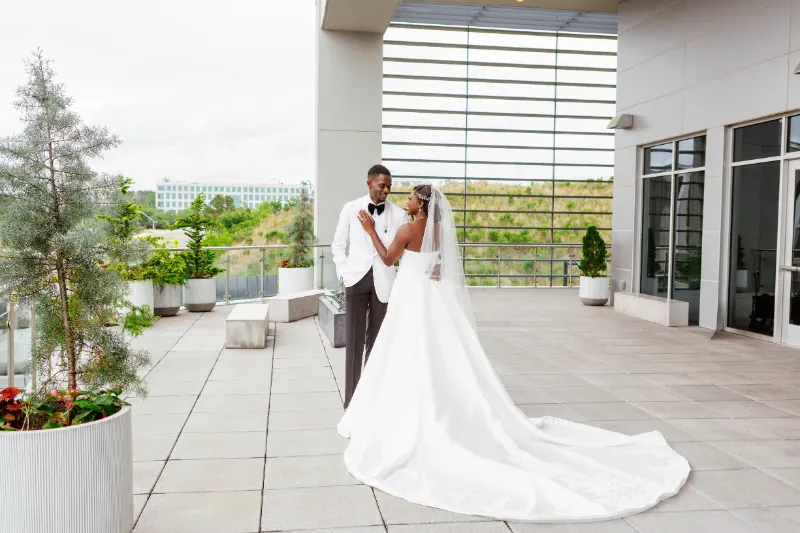
Atlanta wedding planning involves navigating one of the most vibrant, diverse, and scenic event landscapes in the South. From urban rooftop receptions in Midtown to lush historic estates in Buckhead, the city offers an incredible backdrop for any celebration. However, Georgia’s unique climate plays a major role in how your wedding day actually feels and functions.
Understanding how seasonal shifts affect everything from outdoor logistics and floral survival to guest comfort and hotel availability is essential. Here is a practical breakdown of what to expect when planning a wedding in Atlanta year-round.

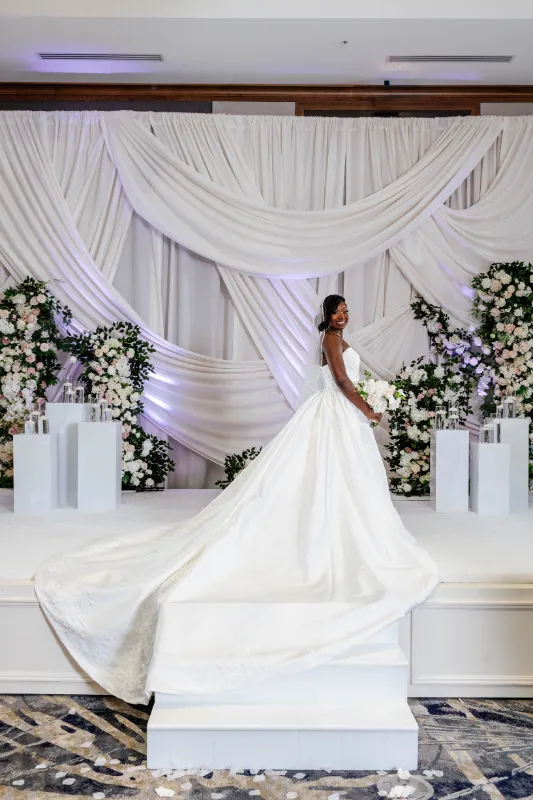
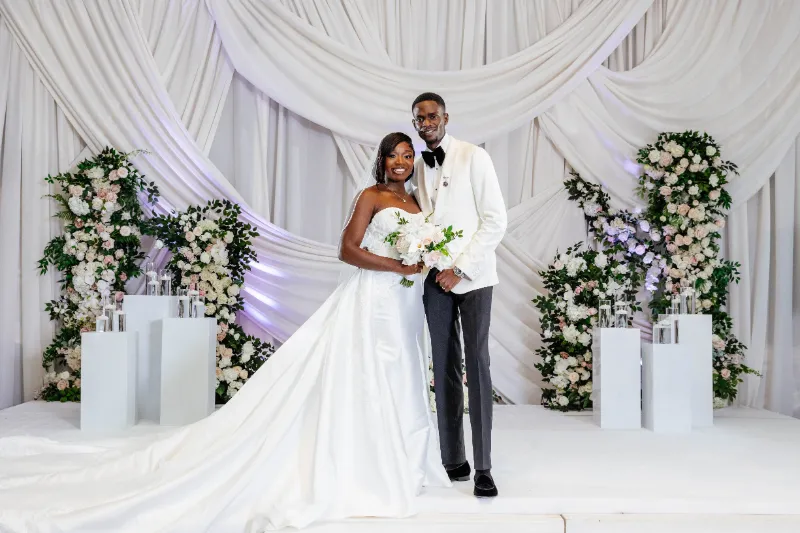
Spring: Peak Bloom and Perfect Temperatures
Spring is universally recognized as one of the most desirable seasons for an Atlanta wedding. From late March through May, the city comes alive with blooming dogwoods, vibrant azaleas, and mild afternoon temperatures that make outdoor ceremonies a dream.
- Climate Overview: Highs typically range from the mid-60s to high 70s, making outdoor park settings, garden venues, and estate lawns extremely comfortable for guests.
- Key Challenges: Tree pollen levels in Atlanta during late March and April are notoriously high. If you are hosting an outdoor ceremony, keep emergency allergy medication, blotting papers, and soft tissues in your bridal suite. Additionally, late spring brings sporadic afternoon showers, so having a covered backup space is a non-negotiable.
- Planning Impact: Because spring is peak season in Georgia, venue dates and top-tier vendors book out up to 18 months in advance. Premium pricing often applies for prime Saturday dates.


Summer: Managing Humidity and Afternoon Storms
Atlanta earns its “Hotlanta” nickname during the summer months of June through August. While summer offers longer daylight hours and great energy, hosting a wedding during this season requires careful climate control and strategic scheduling.
- Climate Overview: Temperatures frequently climb into the 90s, accompanied by high humidity levels that can make outdoor events uncomfortable for dressed-up guests.
- Key Challenges: Humidity can be tough on delicate floral arrangements, outdoor cake displays, and bridal hair and makeup. Mid-afternoon pop-up thunderstorms are also a regular occurrence across the metro area.
- Proactive Solutions: Plan outdoor ceremonies for late afternoon or early evening when temperatures begin to cool. Work with your planner to ensure heavy-duty climate control is in place, offer chilled welcome beverages like sweet tea or signature cocktails, and keep formal wedding party photos in air-conditioned spaces.
- Planning Impact: Summer is often considered a shoulder season for venue pricing in the South, which means you may find lower food-and-beverage minimums or greater venue flexibility.


Fall: The Gold Standard for Georgia Weddings
September through November is arguably the most popular time of year for Atlanta weddings. The oppressive summer heat fades into crisp, sunny afternoons and cool evenings, accompanied by rich autumnal foliage across North Georgia.
- Climate Overview: Expect bright blue skies and comfortable temperatures ranging from the upper 60s to mid-70s in September and October, dipping into the 60s by late November.
- Key Challenges: Fall is prime football season in the South. Major home games for college teams or professional sports in downtown Atlanta can lead to severe traffic delays, high hotel rates, and strict minimum-stay requirements for out-of-town guests.
- Proactive Solutions: Check local event calendars and stadium schedules when picking your date. Secure hotel room blocks well in advance to shield your guests from inflated hotel rates during busy game-day weekends.
- Planning Impact: October is consistently one of the busiest wedding months in Atlanta. Expect high demand for high-end vendors and secure your core team as early as possible.


Winter: Mild Weather and Elegant Indoor Settings
While northern cities deal with heavy snow and travel freezes, winter in Atlanta remains relatively mild from December through February. This season is ideal for couples looking for an intimate, elevated indoor celebration with romantic lighting and rich textures.
- Climate Overview: Temperatures average in the 50s during the day and drop into the 30s at night. While severe winter storms are rare, sudden cold snaps can happen.
- Key Challenges: Days are significantly shorter, with the sun setting around 5:30 PM. This impacts your photography timeline, especially if you want natural daylight for your couple portraits.
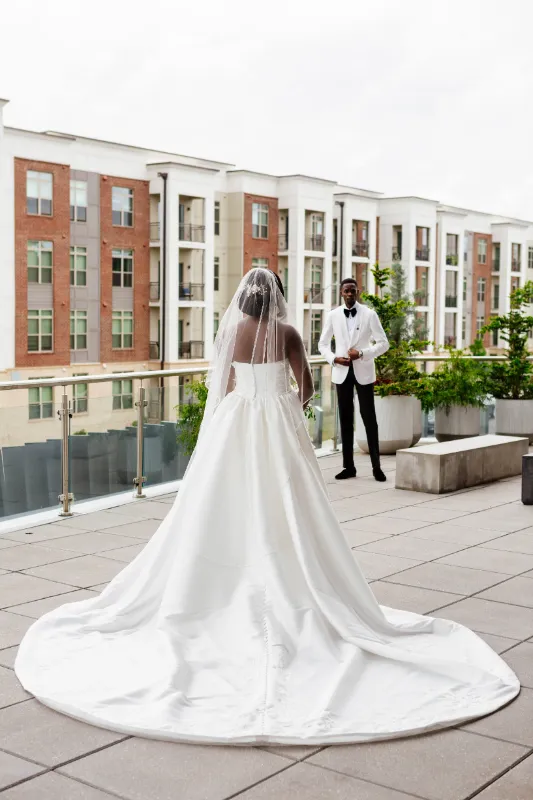
- Proactive Solutions: Plan a “first look” earlier in the afternoon to capture outdoor portraits in natural light before sunset. Shift your focus to cozy, high-design indoor spaces like converted industrial warehouses, historic lofts, or warm ballroom settings.
- Planning Impact: Winter offers maximum venue flexibility and off-peak rate opportunities outside of the major December holiday weeks. It is an ideal window for couples looking to maximize their event design investment.

Whether you are navigating a humid July evening or a fast-paced October weekend, having a dedicated coordinator who understands Georgia’s local climate, venue nuances, and vendor landscape ensures your day runs smoothly.
Contact our team today to check our availability and start designing your Atlanta wedding.